Mosaic Muse
1 Sep – 25 Oct 2026
- Dates
- 1 Sep – 25 Oct 2026
- Opening
- Opening: Monday, 14 September 2026, 18:30
- Venue
- Givatayim Theatre Gallery, 1 Lea König St., Givatayim
- Curator
- Curator: Doron Polak
- Admission
- Free admission
- Hours
- Opening hours: Sun–Thu 10:00–17:00, and whenever performances are held at the theatre — including Fridays and Saturdays
On the Exhibition
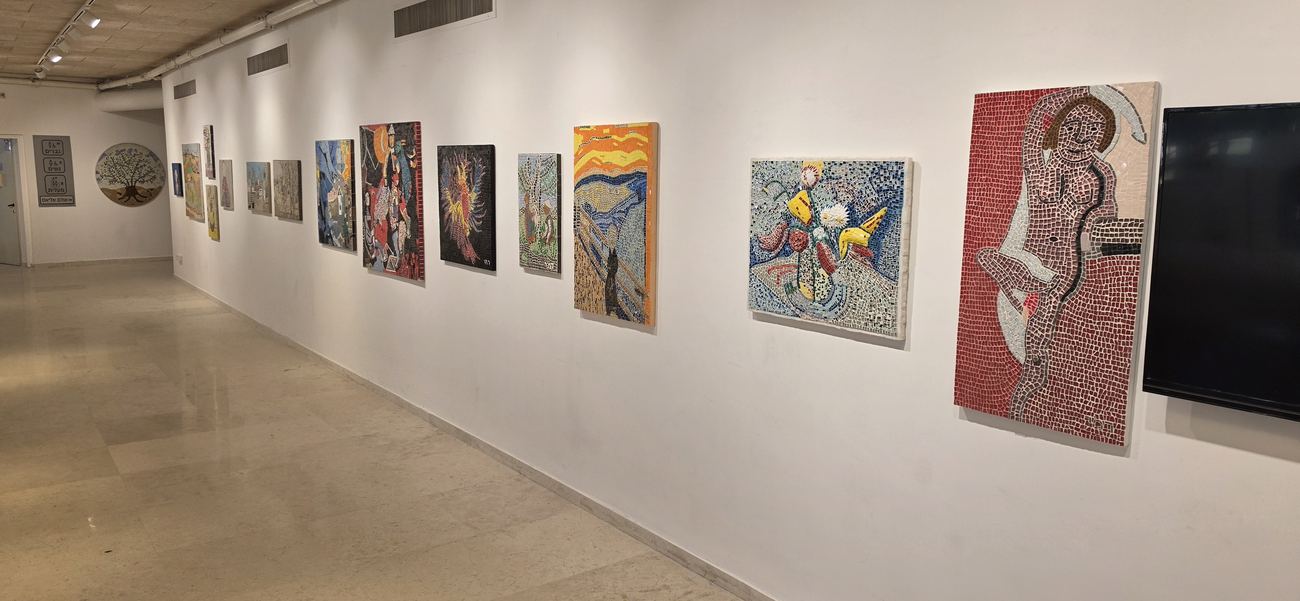
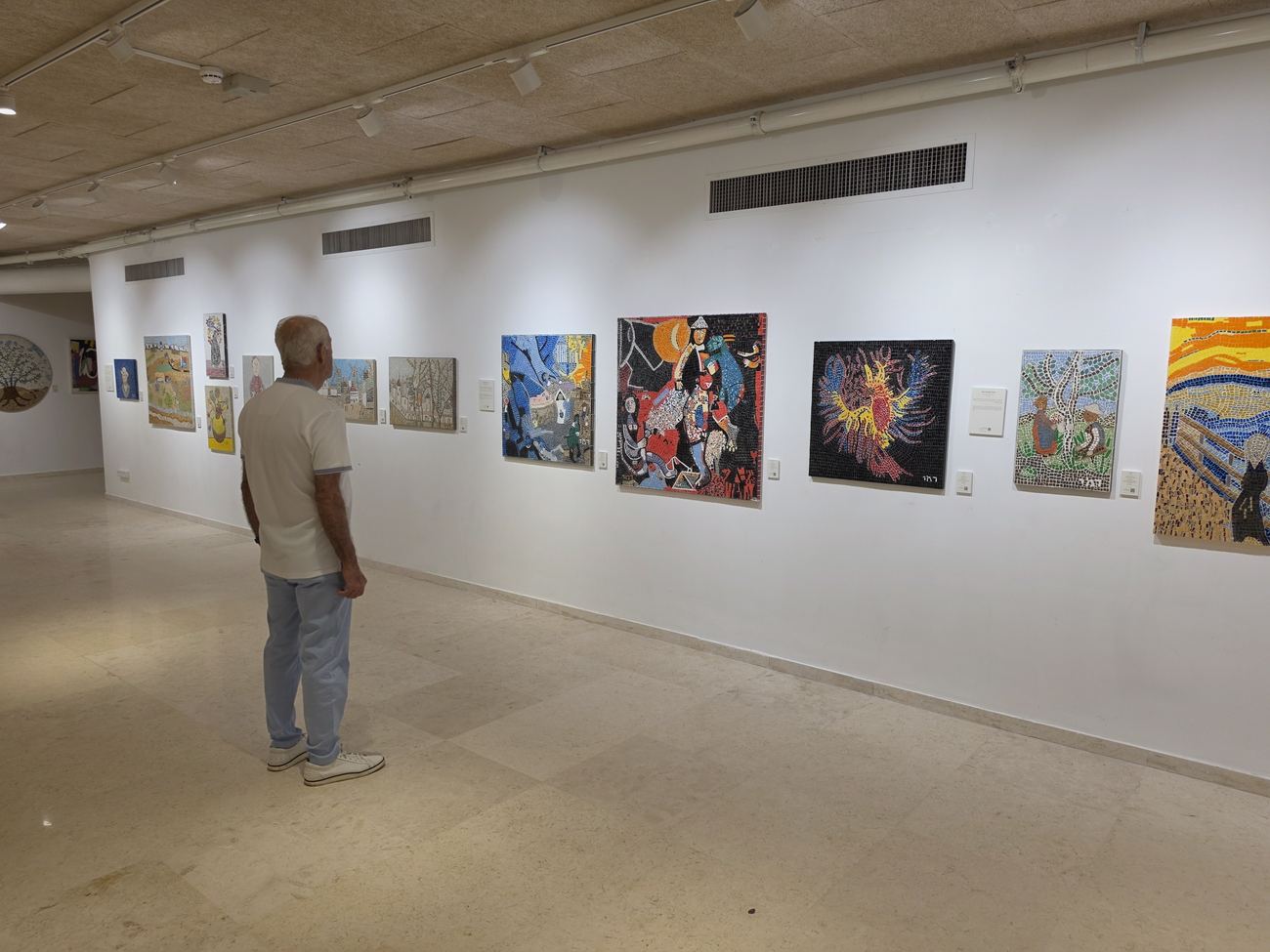
Rami Alon takes the great Western painting and breaks it into stone. Klimt, van Gogh, Munch, Kusama — all pass through the hands of a Jerusalem building contractor who learned to chisel stone before he learned to paint. What emerges is not a copy. Mosaic refuses the softness of the brush: it breaks the image into hard, separate units and forces the eye to reassemble it from a distance. In this exhibition — sixty works — Kadishman's flock, Klimt's gold and Kusama's pumpkins meet under one discipline of stone.
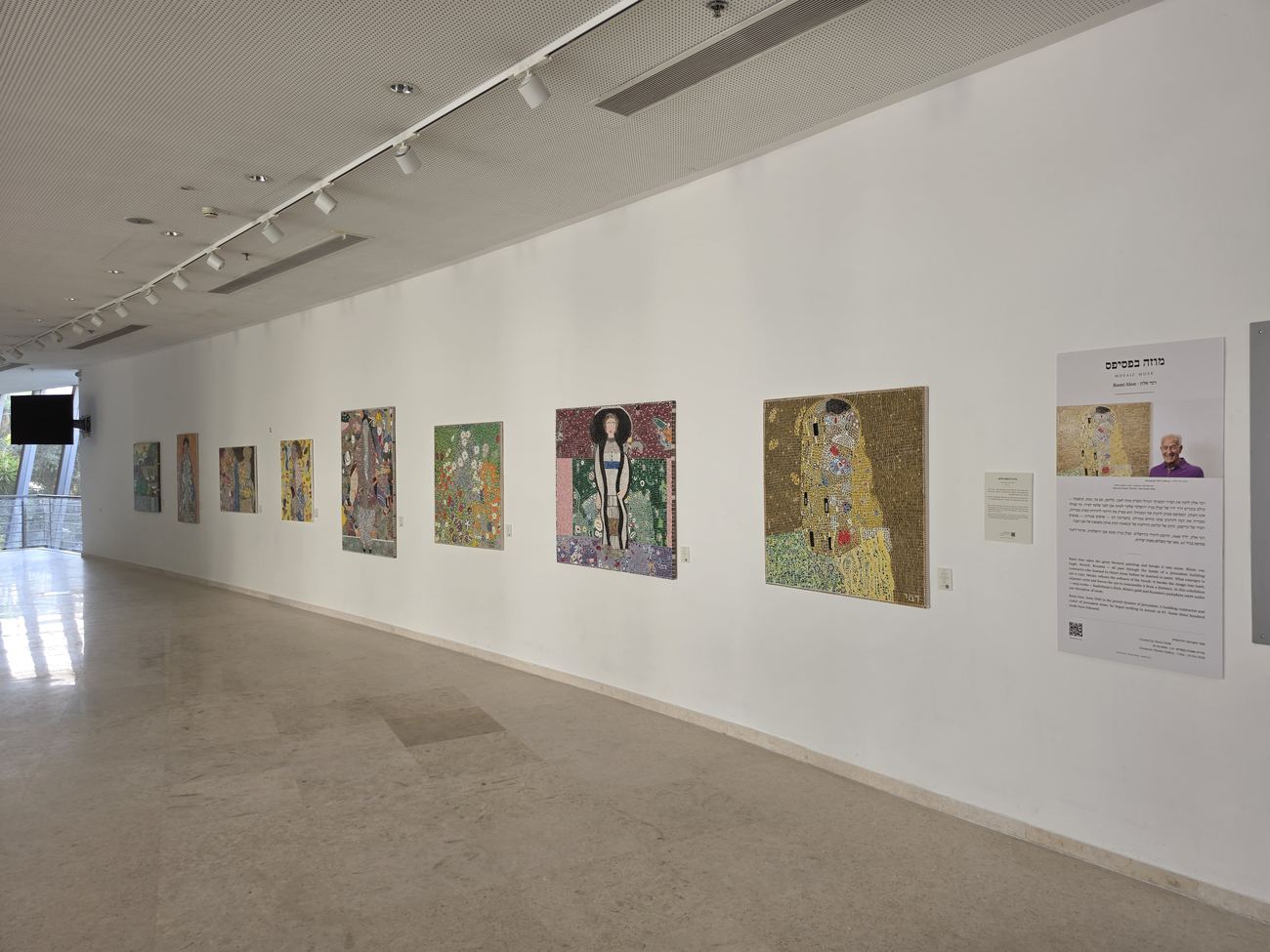
Original Compositions (5)
Not everything here is an homage. These five works are Rami Alon's alone — the Jerusalem he was born in, an olive tree, a phoenix, a self-portrait.
They look different from the rest, and not by accident: with no source painting to dictate the composition, the stone decides for itself where to go.
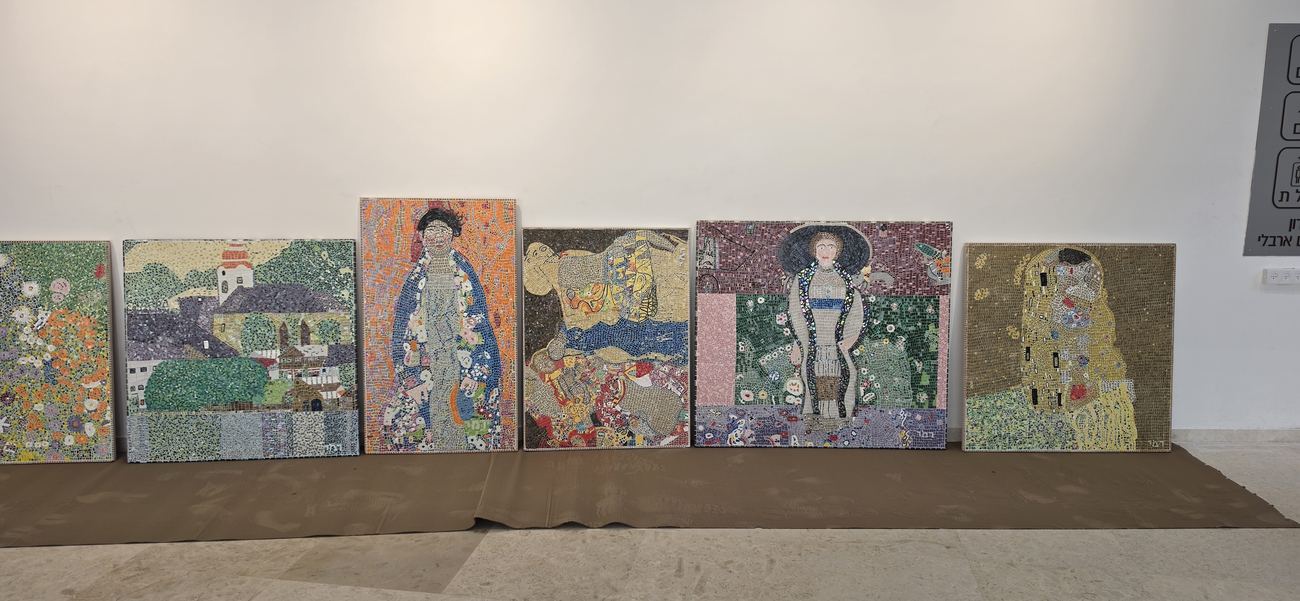
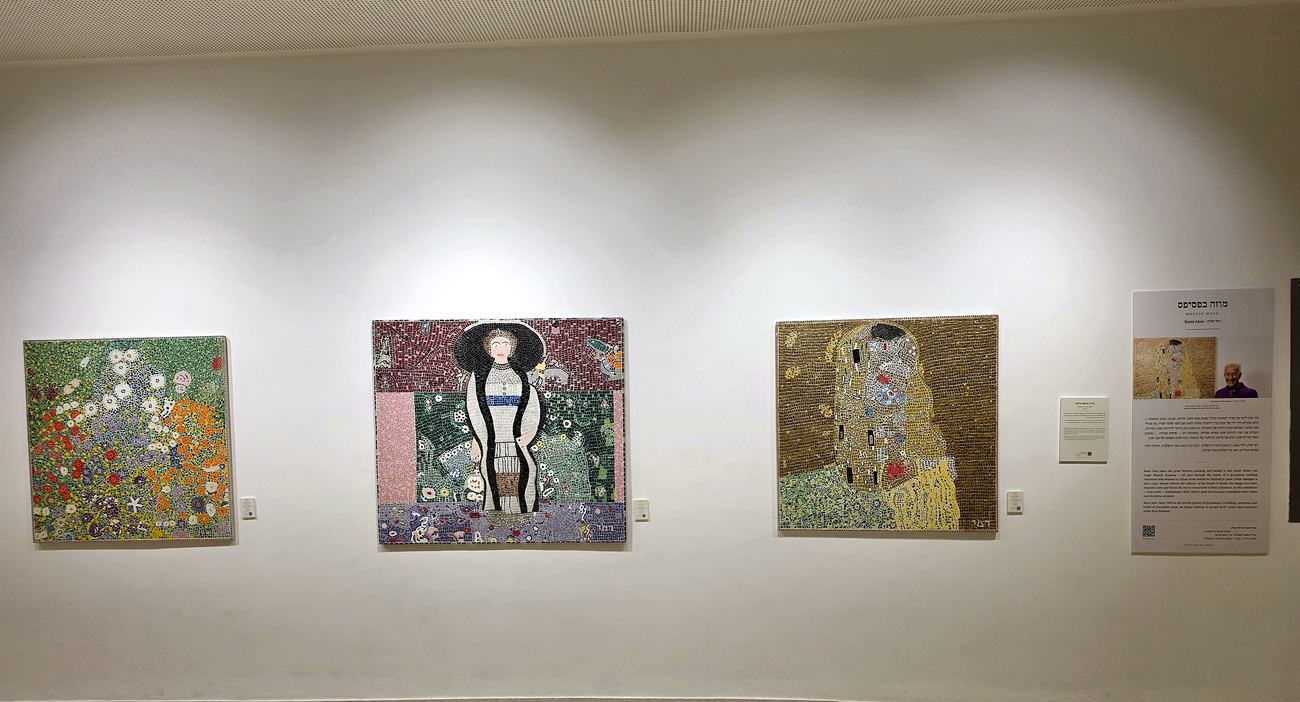
Homage to Gustav Klimt (8)
Klimt covered his paintings in gold leaf, and so long as the surface stays flat the gold glows but stays still. In mosaic it is no longer flat. Every stone sits at a slightly different angle, so the light breaks differently on each. The image changes as you move past it.
This may be why Rami Alon returns to Klimt more than to any other artist: mosaic does for gold what painting cannot. Eight works, among them The Kiss — some hundred and twenty thousand stones between them.
Homage to Vincent van Gogh (5)
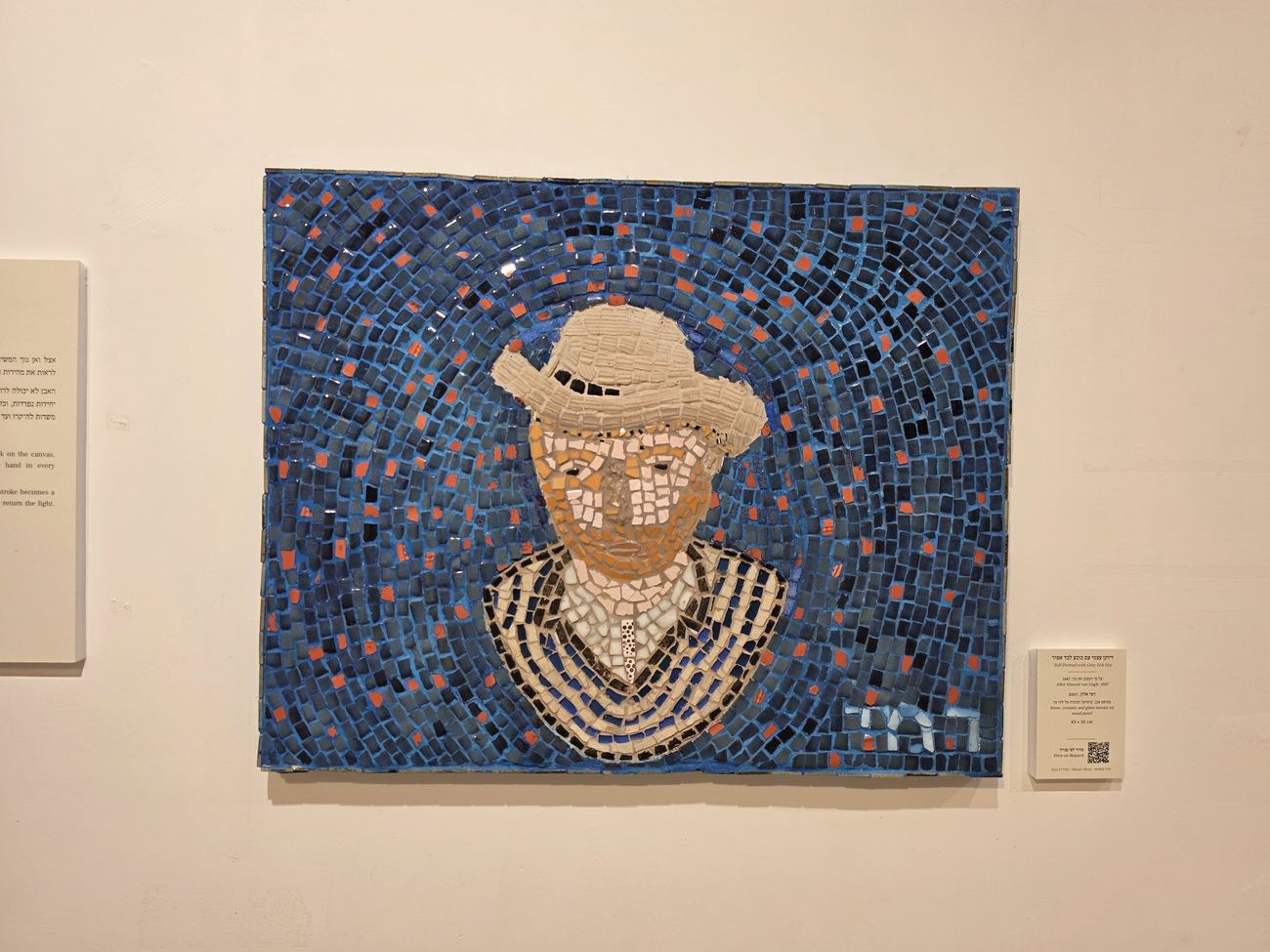
In van Gogh the brushstroke is the subject. Paint sits thick on the canvas, almost sculptural, and you can read the speed of the hand in every centimetre.
Stone cannot run. It is laid, not brushed. So the turbulent stroke becomes a sequence of separate units, each deciding for itself how to return the light. Five works — from the fields of La Crau to the sunflowers.
Homage to Menashe Kadishman (19)
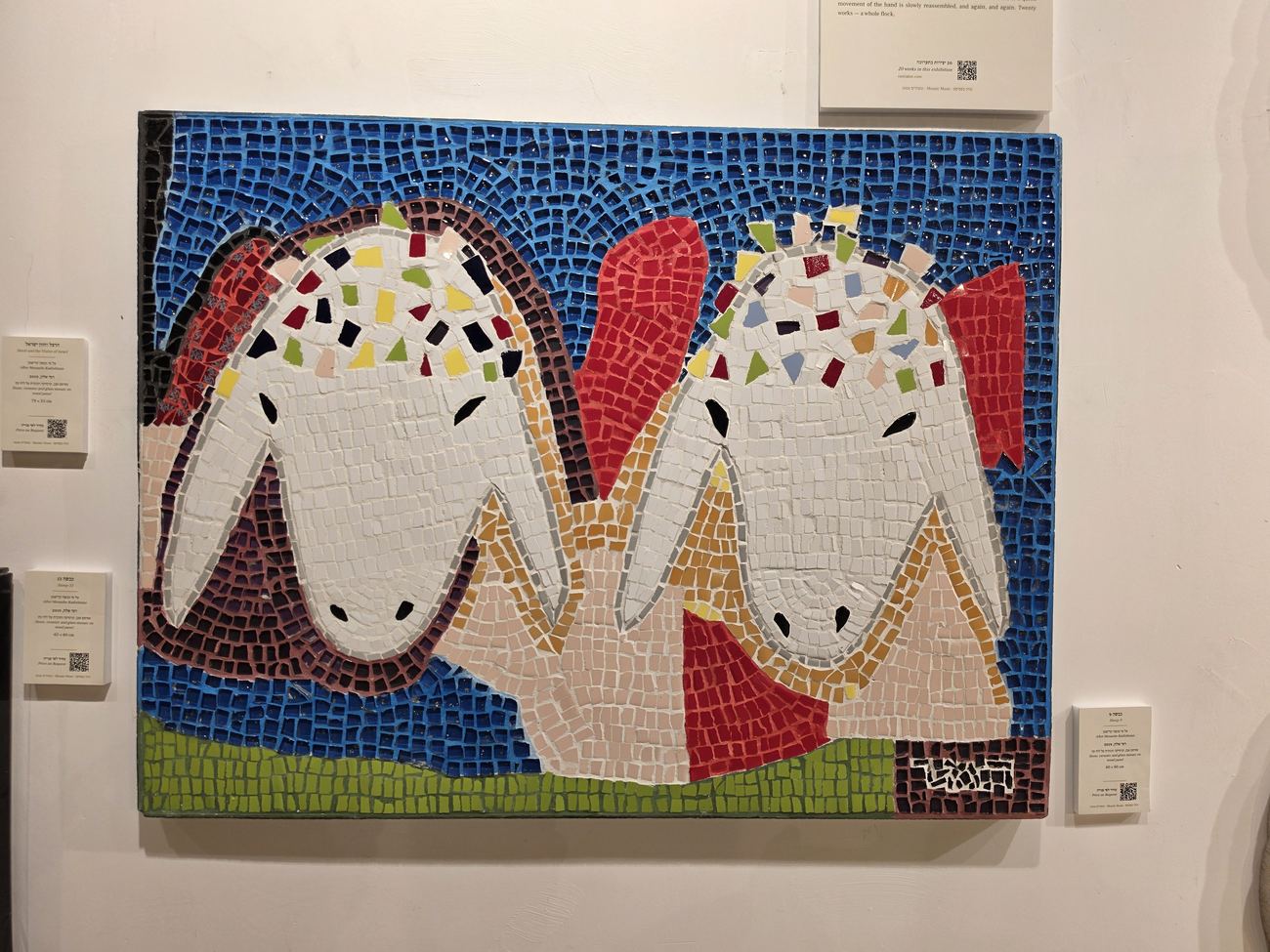
Kadishman's sheep may be the single most recognisable image in Israeli art — a face that is also an animal, also a victim, also a portrait. He painted it thousands of times, fast and with a wide brush, as if testing how often one thing can be repeated without being lost.
Rami Alon does the exact opposite. What Kadishman made in a second is rebuilt here from thousands of stones laid one by one. A face born of a quick movement of the hand is slowly reassembled, and again, and again. Twenty works — a whole flock.
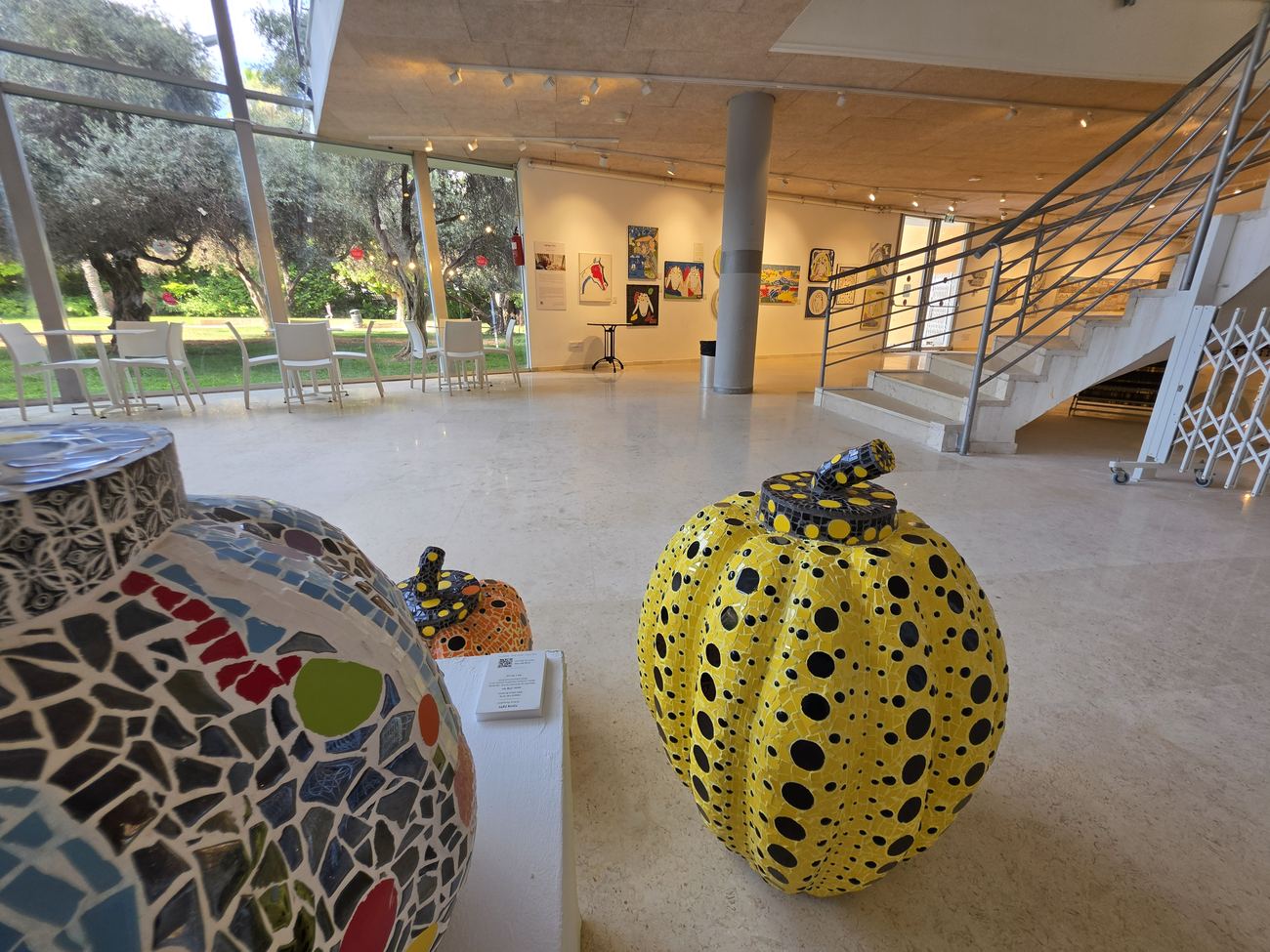
Homage to Yayoi Kusama (3)
Kusama covers the world in dots. Her pumpkin is not a still life but an image repeated until repetition becomes law.
Mosaic is made of dots by nature. Every stone is a dot, and the only difference between the pumpkin and the ground is which colour was set where. Three pumpkins.
Homage to Amedeo Modigliani (2)
Modigliani was a sculptor before he was a painter, and his elongated faces are carved faces. The two works here are on the two sides of a single wood panel — Boy in a Blue Jacket on one, Female Nude on the other. One panel, two works.
Homage to Edvard Munch (2)
In Munch the line flows — sky, water and face are pulled by the same dizzying movement. Mosaic does not flow. The scream is built from hard stones that cannot bend, and the tension comes precisely from that contradiction. Two works.
Homage to Henri Matisse (2)
Matisse wanted flat, clean colour with no shading. In his last years he cut painted paper and assembled figures from the pieces — almost a mosaic.
Here the cut-out returns to hard material. Two works.
Homage to Marc Chagall (2)
Chagall worked in mosaic and stained glass no less than in paint — in Israel he left the Knesset wall painting and the Hadassah windows. He knew that light passing through material, or breaking off it, is not the light that comes off a brush.
So the homage here is a double one: to the image, and to the material he chose himself. Two works.
Homage to Maurice Utrillo (2)
Utrillo painted Montmartre again and again — walls, fences, windmills. He mixed plaster into his paint so that a painted wall would be as material as a real one.
Mosaic finishes that sentence: the wall is at last made of stone. Two works.
60 works in Mosaic Muse
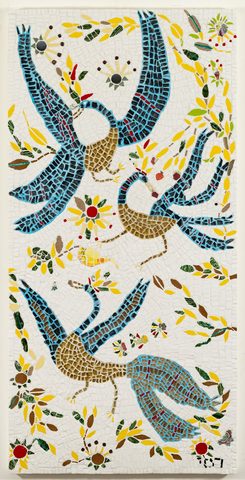
Dance of Wings
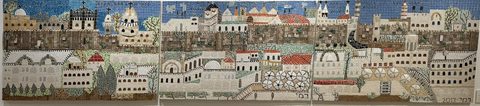
Jerusalem (Triptych)
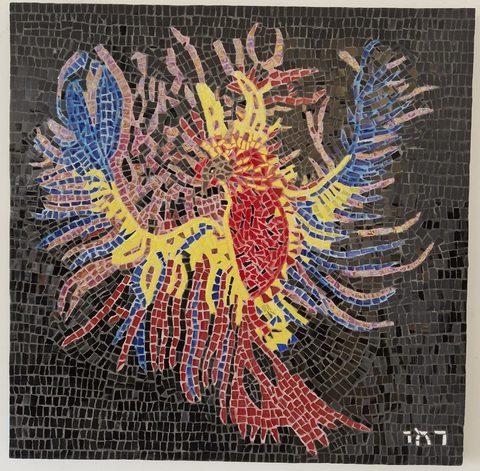
Phoenix
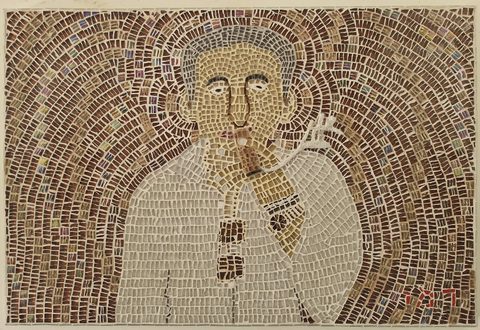
Self Portrait
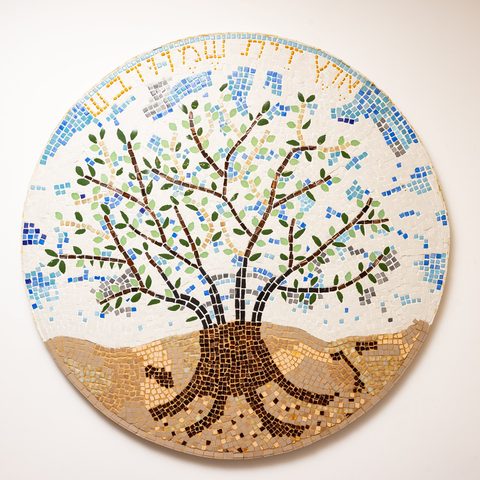
The Olive Tree
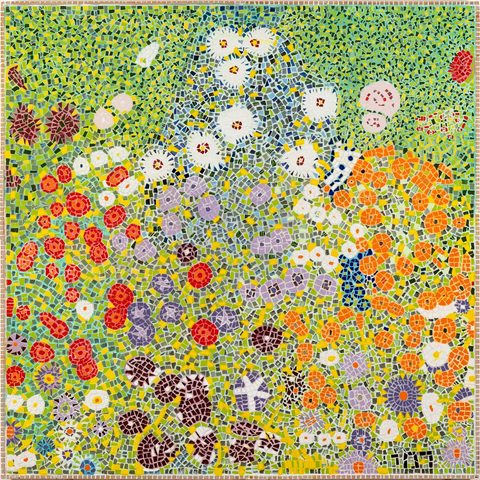
Bauerngarten
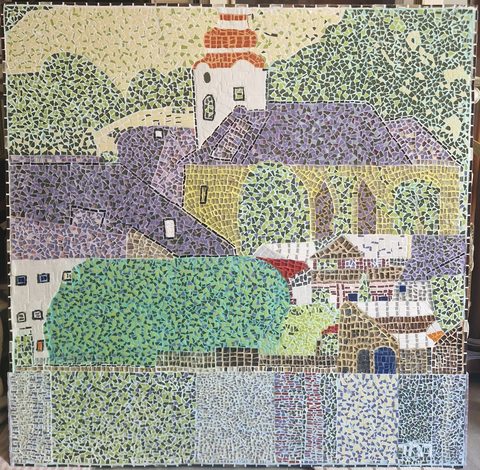
Church in Unterach on the Attersee
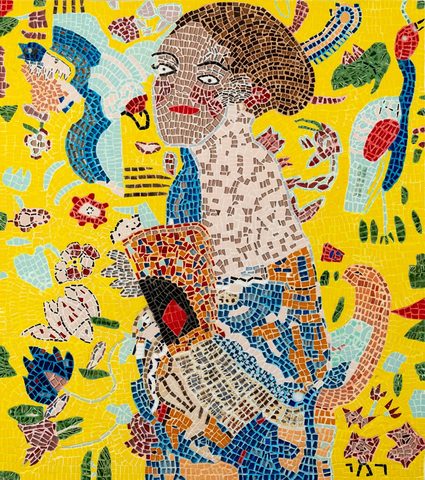
Lady with a Fan
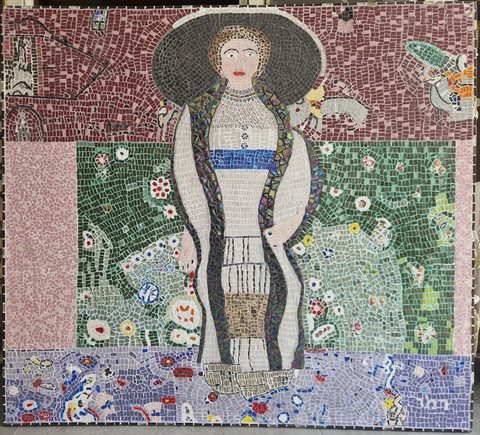
Portrait of Adele Bloch-Bauer II
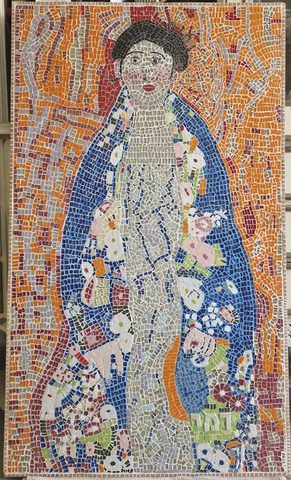
Portrait of Fraulein Lieser
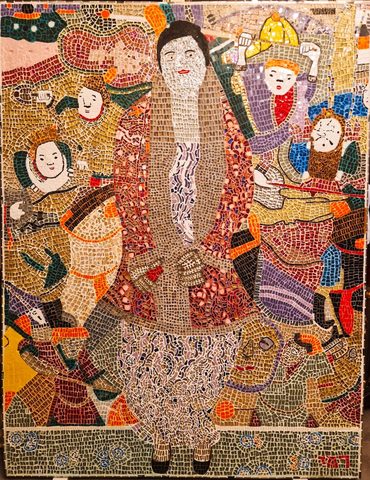
Portrait of Friedericke Maria Beer
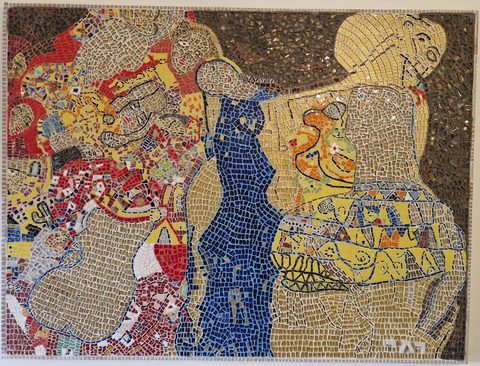
The Bride
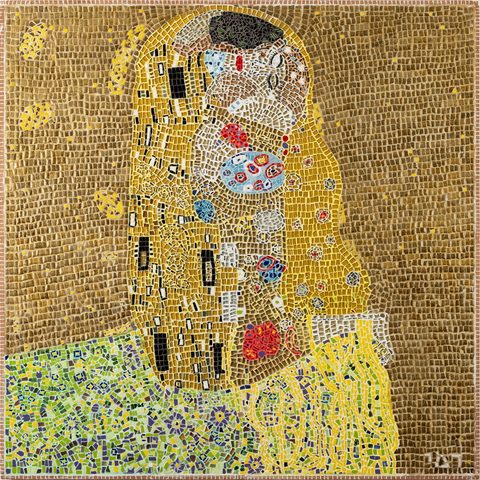
The Kiss
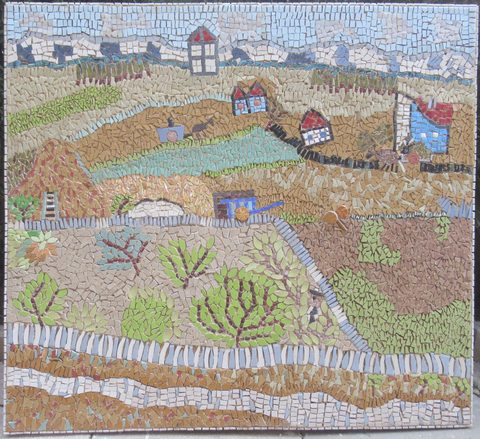
Harvest at La Crau with Montmajour in the Background
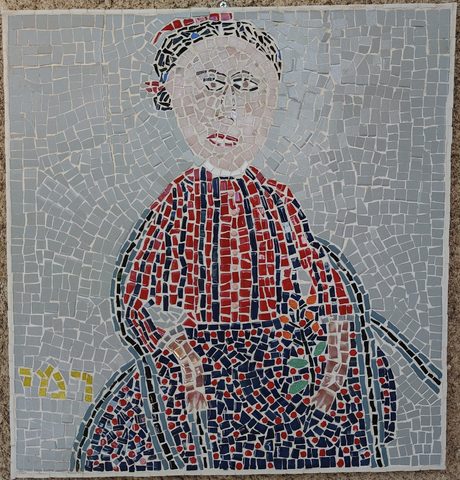
La Mousmé
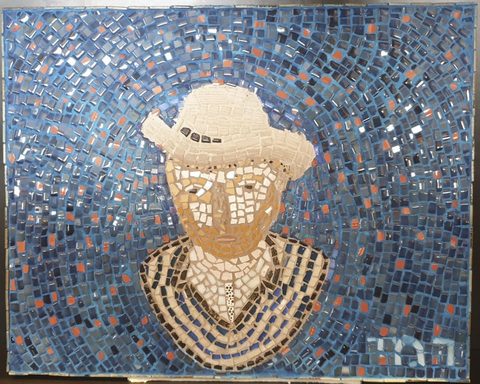
Self-Portrait with Grey Felt Hat
Sold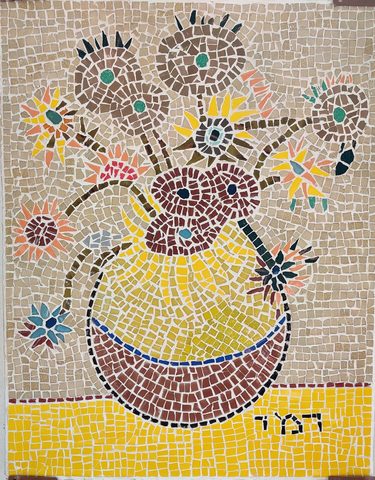
Still Life: Vase with Twelve Sunflowers
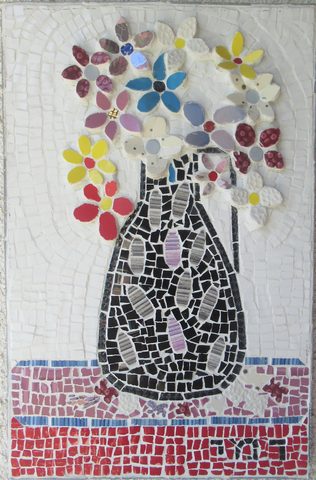
Vase with Chinese Asters and Gladioli
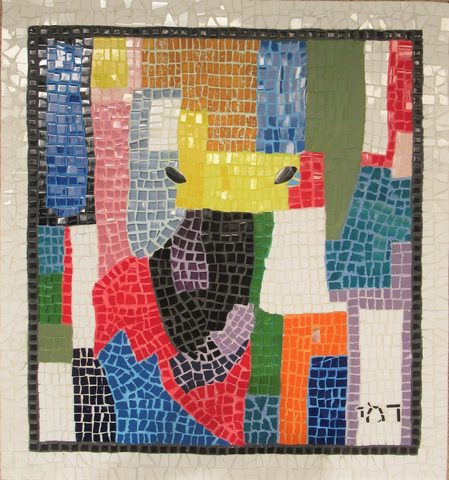
Sheep 1
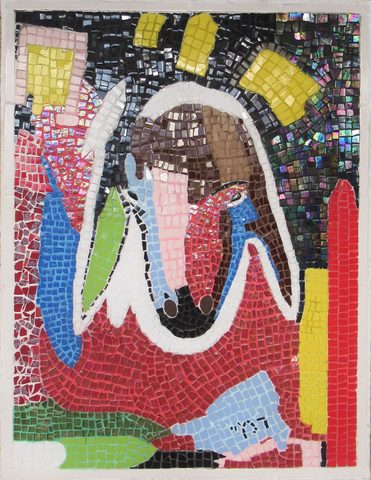
Sheep 2
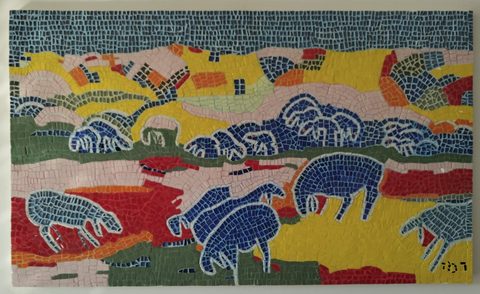
Sheep Grazing in a Field
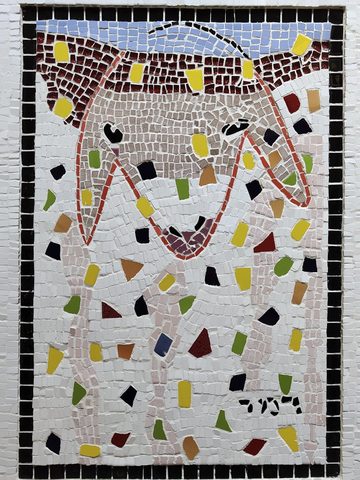
Sheep 4
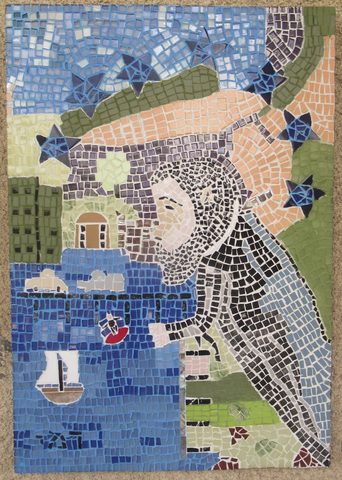
Herzl and the Vision of Israel
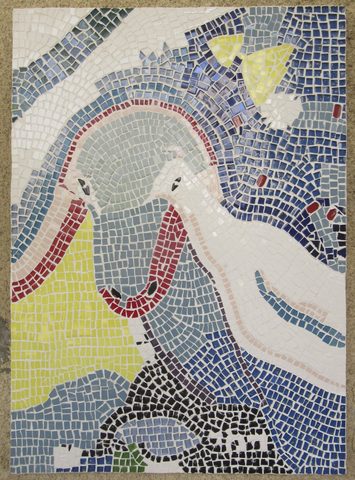
Sheep 6
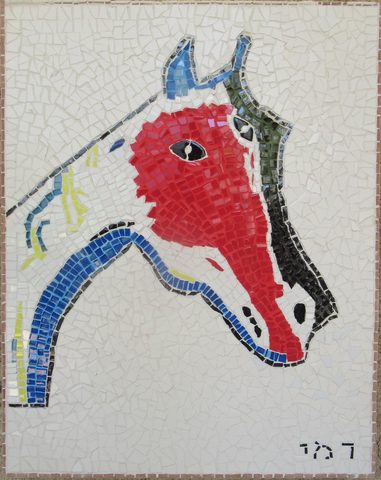
Horse
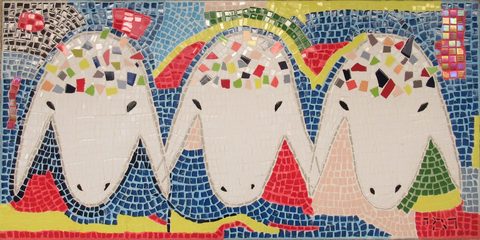
Sheep 8
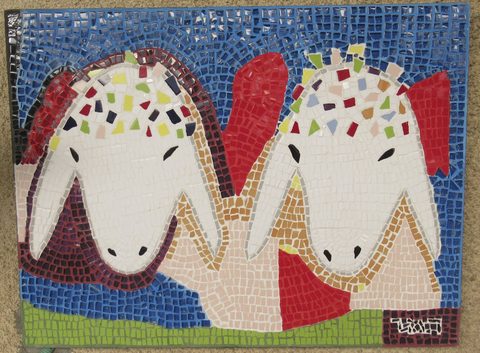
Sheep 9
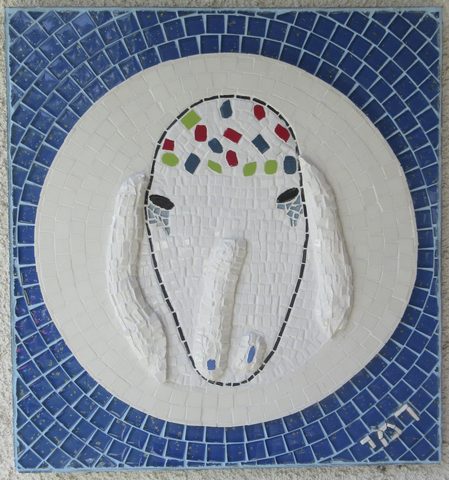
Sheep 10
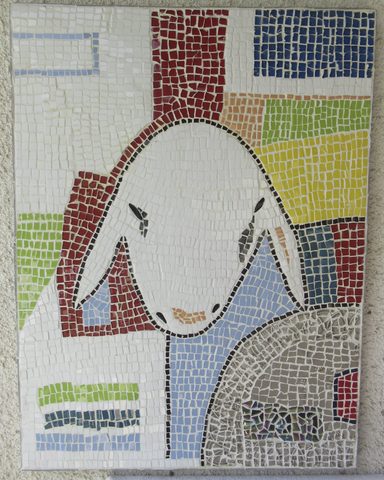
Sheep 12
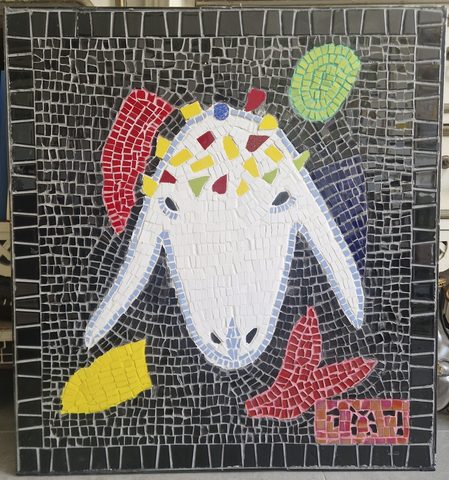
Sheep 13
Sold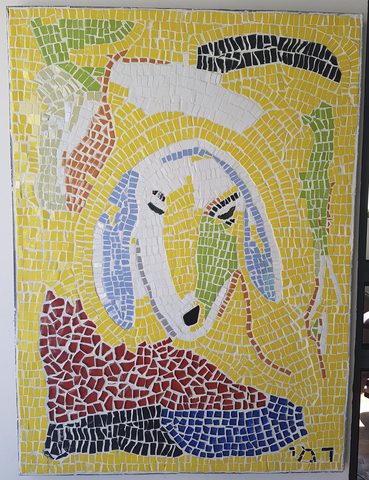
Sheep 14
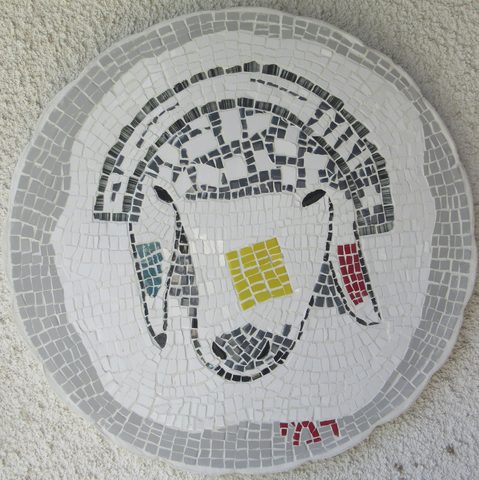
Sheep 15
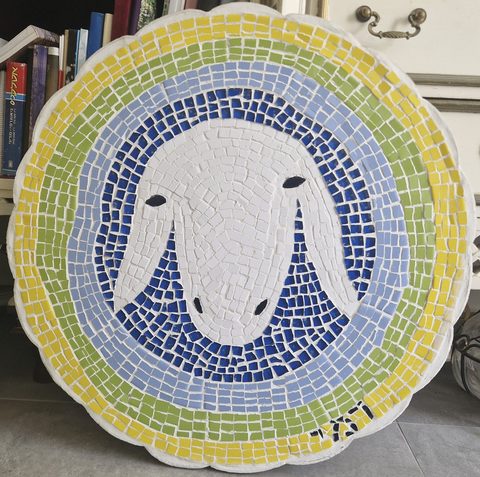
Sheep 20
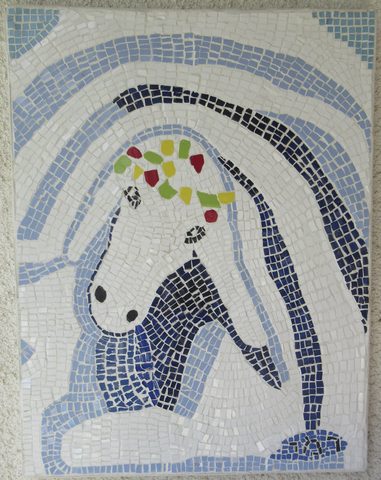
Sheep 16
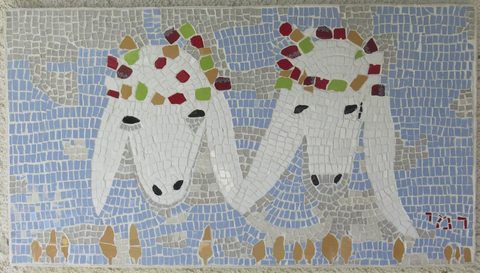
Sheep 17
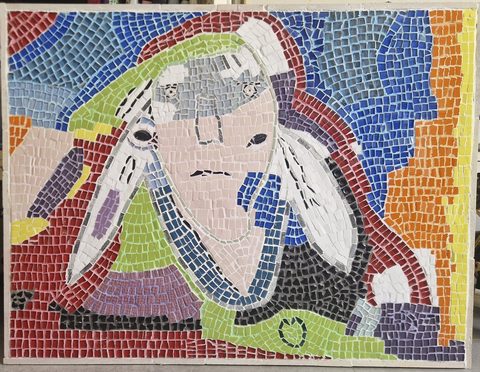
Sheep 18
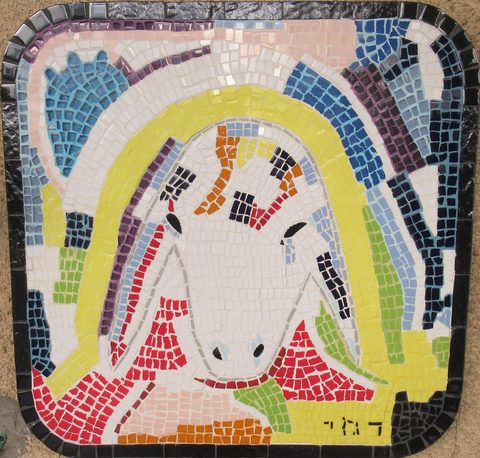
Sheep 19
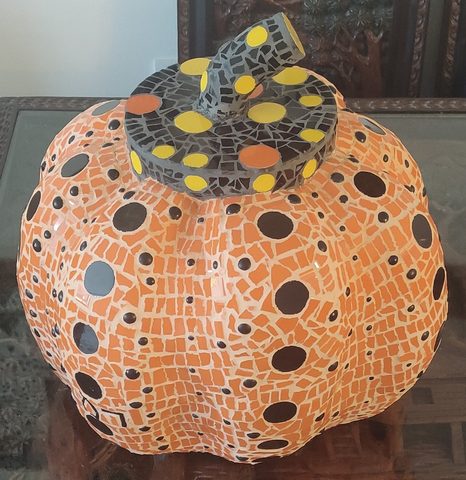
Orange Pumpkin
Sold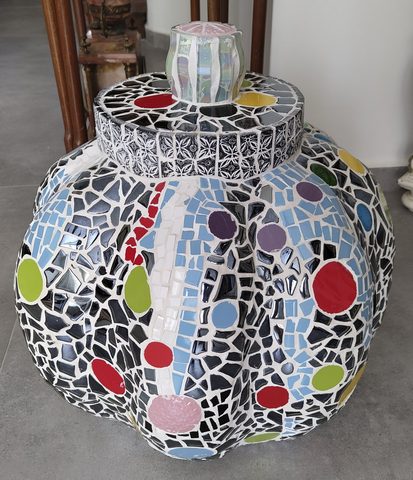
Pumpkin
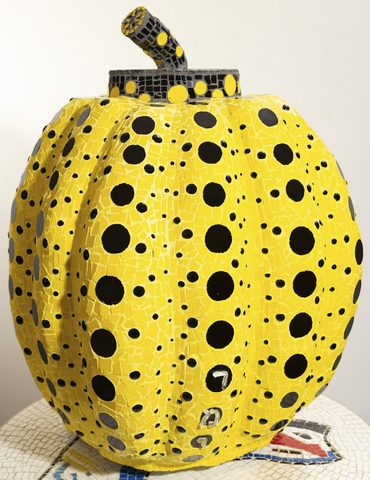
Yellow Pumpkin
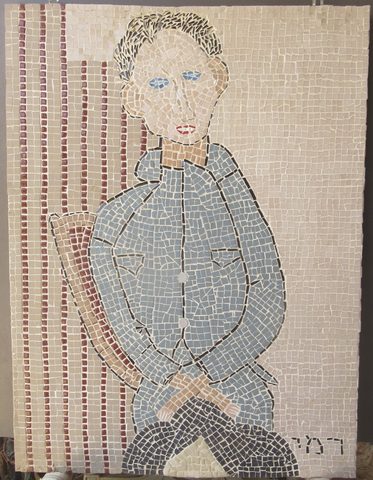
Boy in a Blue Jacket (reverse: Female Nude)
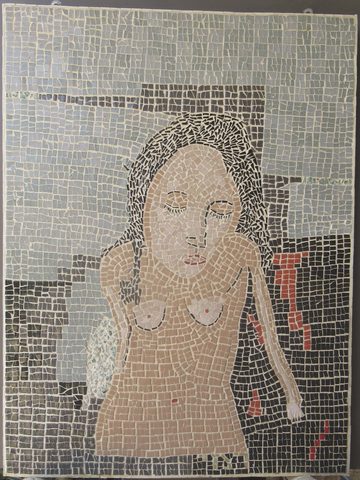
Female Nude (reverse: Boy in a Blue Jacket)
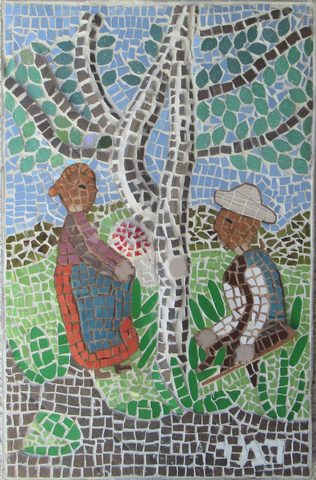
Fertility
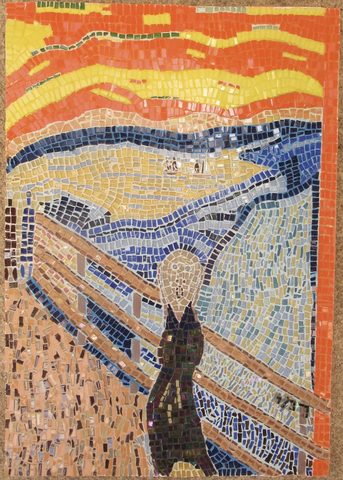
The Scream
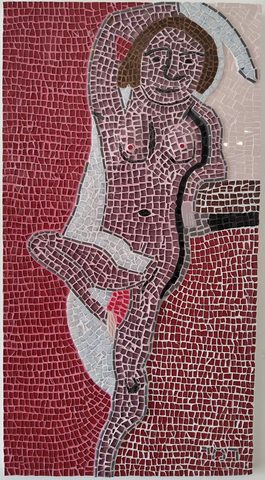
Nude with White Scarf
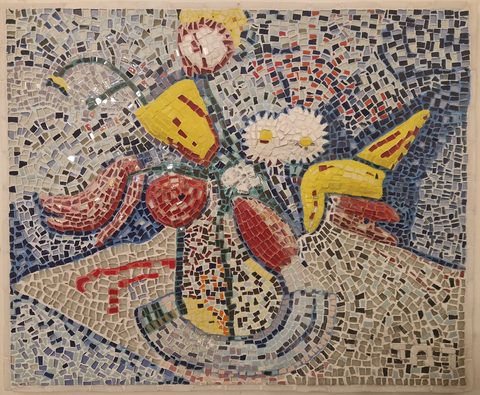
Parrot Tulips
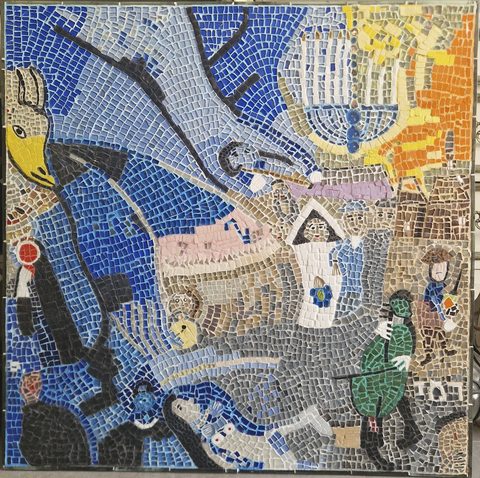
Elements Inspired by the Knesset Wall Painting
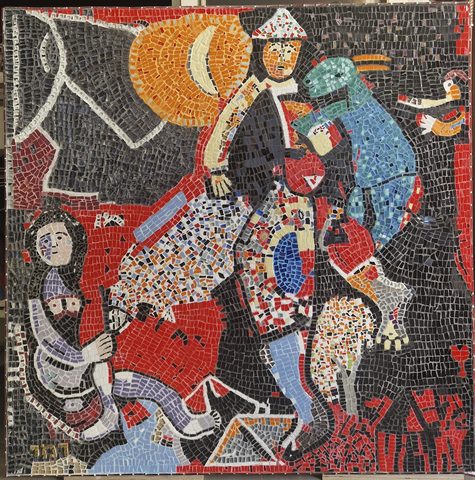
Mauve Nude
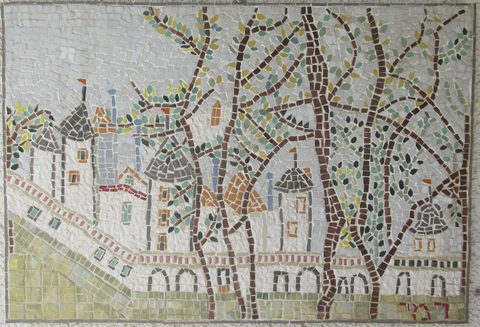
The Castle
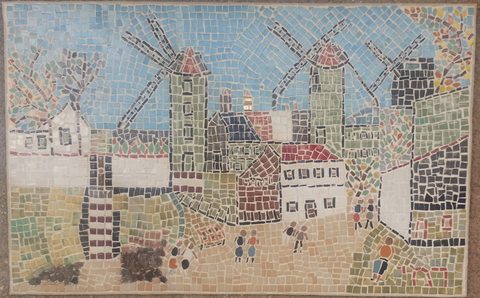
Windmills of Montmartre
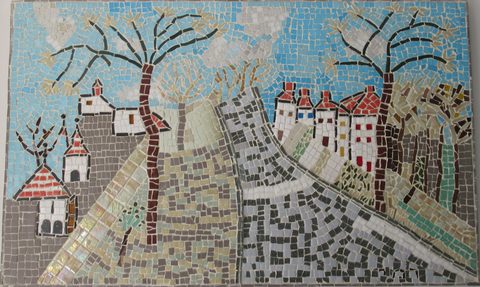
La route de Louveciennes
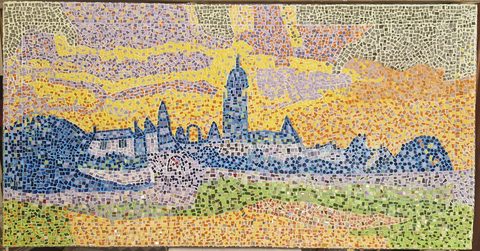
The Tower of Batz
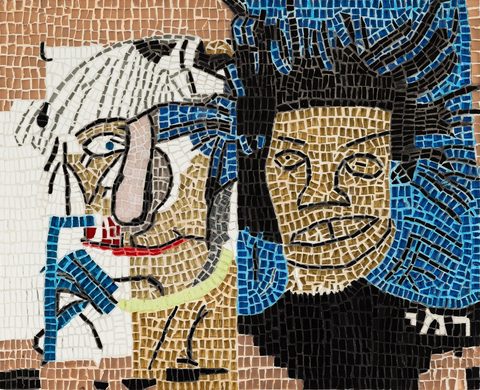
Dos Cabezas
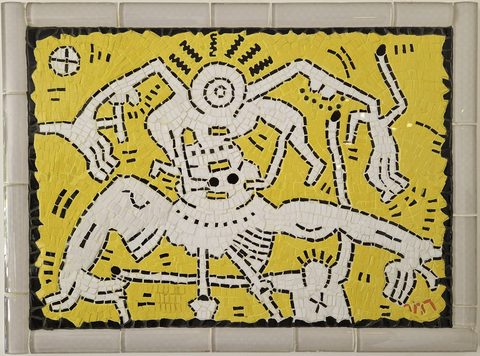
Untitled
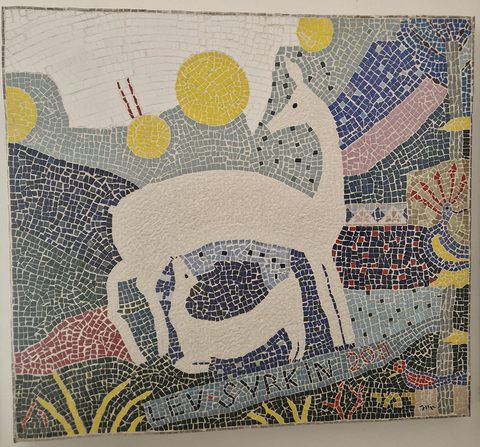
Mother Deer and Fawn
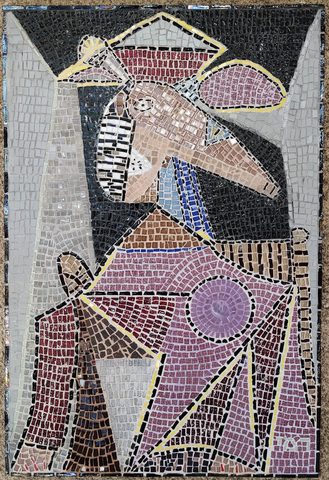
Portrait of a Woman
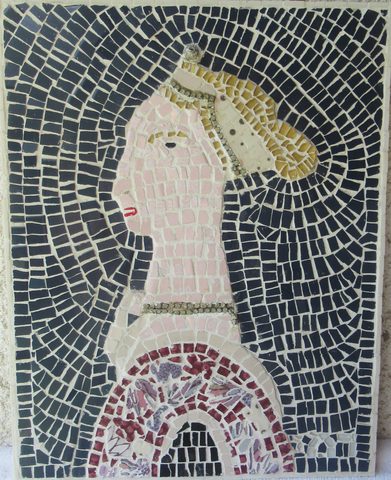
Portrait of a Lady
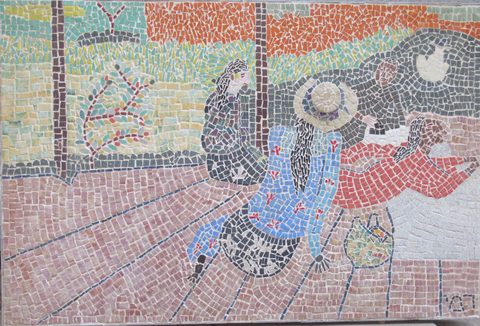
The Siesta
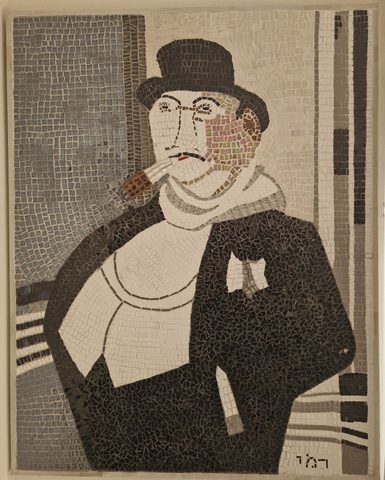
Kurt Garon
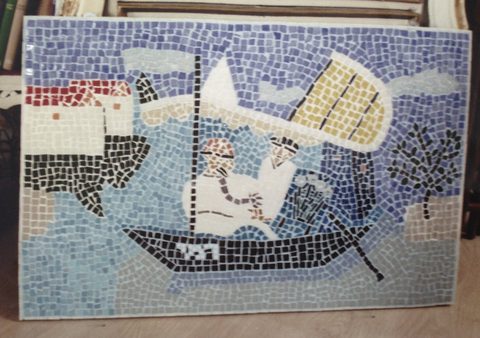
Monet on his Studio Boat
On the Wall
Building the Exhibition